Archives
- 2026-04
- 2026-03
- 2026-02
- 2026-01
- 2025-12
- 2025-11
- 2025-10
- 2025-09
- 2025-03
- 2025-02
- 2025-01
- 2024-12
- 2024-11
- 2024-10
- 2024-09
- 2024-08
- 2024-07
- 2024-06
- 2024-05
- 2024-04
- 2024-03
- 2024-02
- 2024-01
- 2023-12
- 2023-11
- 2023-10
- 2023-09
- 2023-08
- 2023-06
- 2023-05
- 2023-04
- 2023-03
- 2023-02
- 2023-01
- 2022-12
- 2022-11
- 2022-10
- 2022-09
- 2022-08
- 2022-07
- 2022-06
- 2022-05
- 2022-04
- 2022-03
- 2022-02
- 2022-01
- 2021-12
- 2021-11
- 2021-10
- 2021-09
- 2021-08
- 2021-07
- 2021-06
- 2021-05
- 2021-04
- 2021-03
- 2021-02
- 2021-01
- 2020-12
- 2020-11
- 2020-10
- 2020-09
- 2020-08
- 2020-07
- 2020-06
- 2020-05
- 2020-04
- 2020-03
- 2020-02
- 2020-01
- 2019-12
- 2019-11
- 2019-10
- 2019-09
- 2019-08
- 2019-07
- 2019-06
- 2019-05
- 2019-04
- 2018-11
- 2018-10
- 2018-07
-
br Results The RAS MEK ERK
2021-11-26
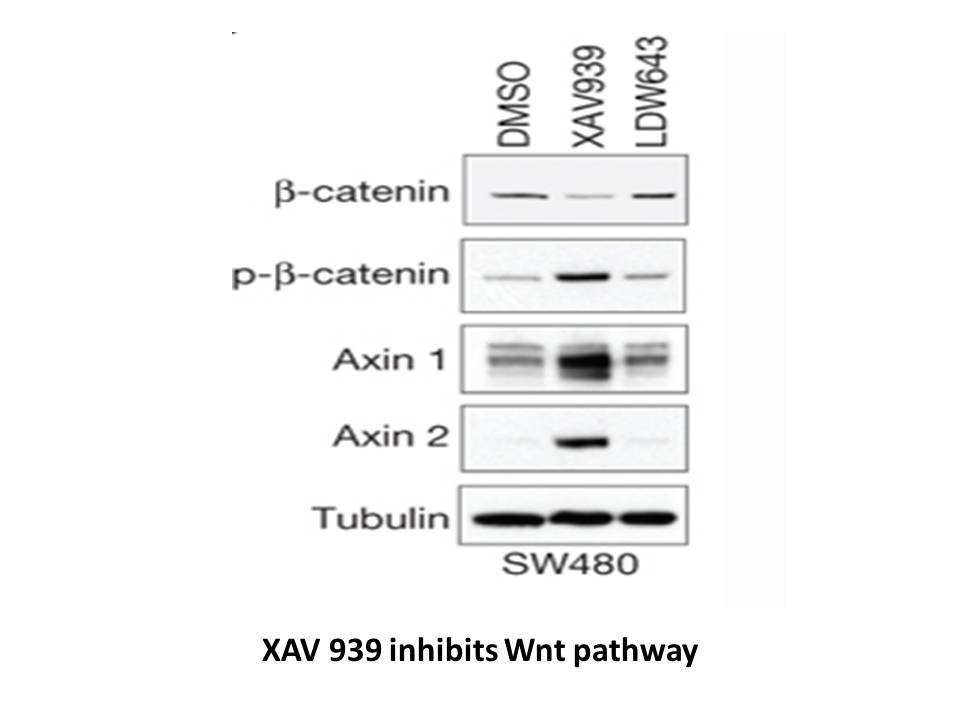
Results The RAS/MEK/ERK pathway is a potential target of FGFR signaling. Indicative for its activation is the presence of double phosphorylated (activated) ERK (dpERK), which is generated in a series of phosphorylation events downstream of FGFR (op. cit. (Lemmon and Schlessinger, 2010)). Followin
-
br Clinical assessment of iron chelation br
2021-11-26
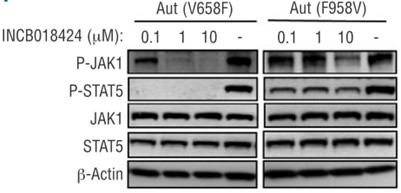
Clinical assessment of iron chelation Towards the new concept of conservative iron chelation: iron scavenging and redeployment For any chelator to be of clinical value in disorders of regional siderosis they ought to be endowed with a requisite accessibility to the relevant sites and different
-
Interestingly the subcellular localization of
2021-11-26

Interestingly, the subcellular localization of FBPase in hepatocytes and proximal tubule 1625 receptor reveals that FBPase is also able to translocate to the nucleus in these cell types. The nuclear localization of muscle-FBPase was recently reported [35]. This data corroborate our results on the ab
-
There are several basic science studies that aim to investig
2021-11-26
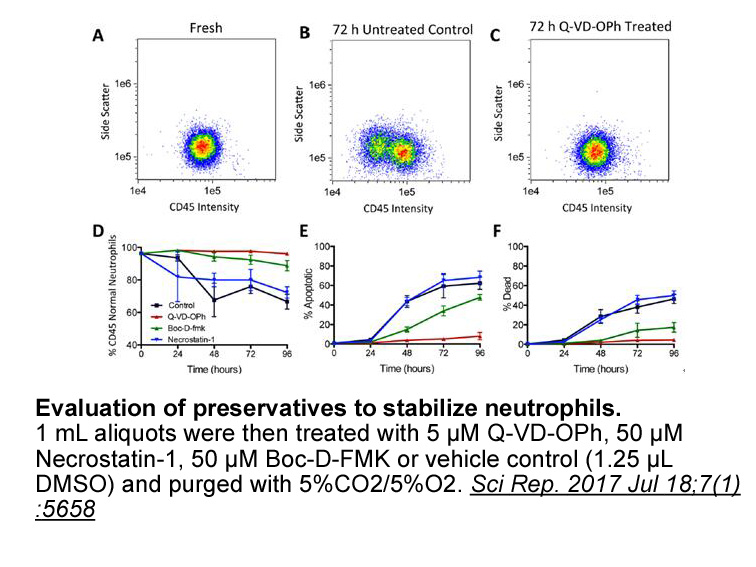
There are several basic science studies that aim to investigate potential mechanisms behind the reduced incidence of MI in factor Xa inhibitor treated patients. Perzborn et al. reported that in-vitro addition of rivaroxaban reduced tissue-factor induced platelet aggregation (Perzborn, Heitmeier, & L
-
flecainide acetate Sometime ago we have described
2021-11-26
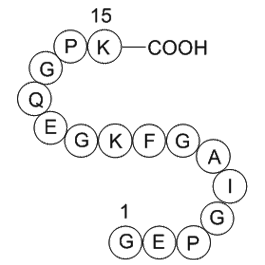
Sometime ago we have described diamino-1,3,5-triazines as histamine H4R ligands,12, 13 and aryl derivatives of the 1,3,5-triazine, which attenuated inflammatory and nociceptive response in vivo in the rodent models of inflammation induced by flecainide acetate and zymosan. In this work we describe
-
br Acknowledgements Support provided by projects PTDC SAU MI
2021-11-25

Acknowledgements Support provided by projects PTDC/SAU-MIC/115178/2009 and PEst-OE/QUI/UI0612/2011 from the Fundação para a Ciência e a Tecnologia, Portugal. Diabetes Mellitus Diabetes mellitus is a chronic, multisystem metabolic disorder caused by a combination of environmental and genetic f
-
Compared to previously reported atypical N glycosites
2021-11-25
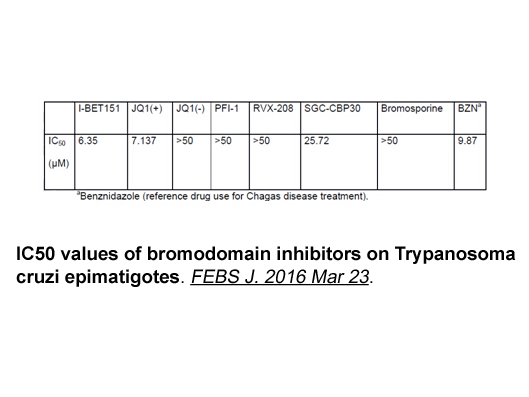
Compared to previously reported atypical N-glycosites that were identified based on the deamidation of asparagine residues after PNGase F treatment [106], [107], these two studies further validated the identified atypical motif glycosites by directly identifying their intact glycopeptides. Since the
-
Although EAAT may not be involved in
2021-11-25
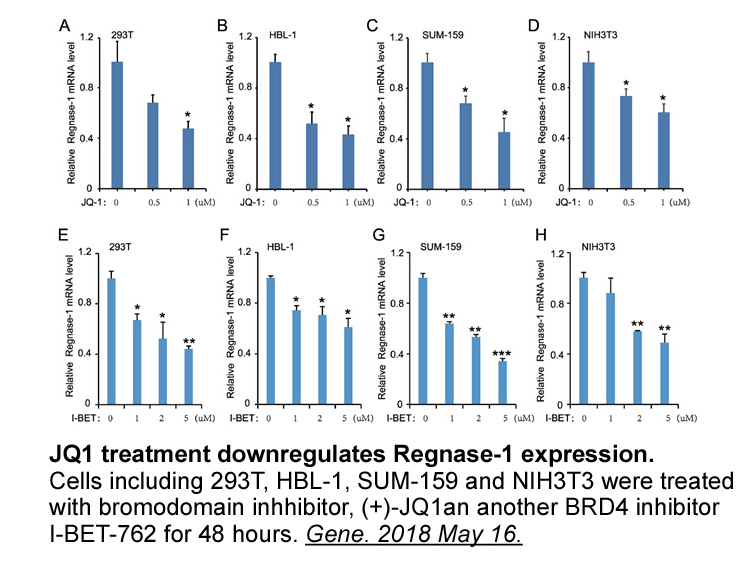
Although EAAT3 may not be involved in the induction of morphine-induced CPP, our results suggest that other EAATs may play a role in the behavior because riluzole, an EAAT activator (Frizzo et al., 2004, Fumagalli et al., 2008), abolished morphine-induced CPP. Consistent with this suggestion, a few
-
Hippo signaling is unique in that it does
2021-11-25
Hippo signaling is unique in that it does not possess a cognate ligand and receptor system. Instead, numerous upstream sensors that monitor cell morphology, cell polarity, cell-cell contact, and mechanical stress impinge onto the Hippo pathway core kinases, MST, and LATS. This in turn indicates the
-
br Conclusion In conclusion HER CTCs can be detected using
2021-11-25
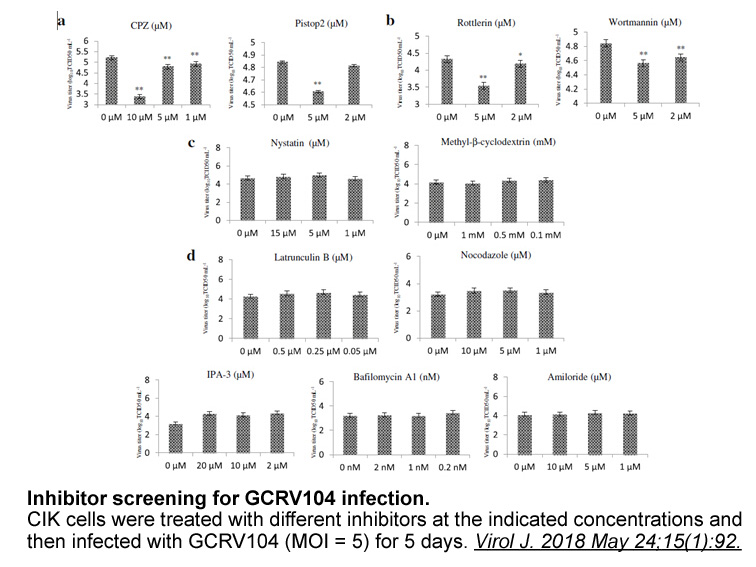
Conclusion In conclusion, HER2+ CTCs can be detected using the LiquidBiopsy system. Among the patients with histologically HER2+ breast cancer, 41.9% had ≥ 1 HER2+ CTC/4 mL of blood. The cell lines experiments showed high sensitivity (100%) and specificity (99.9%) using a HER2/CD45 fluorescence r
-
Cyclopamine a steroidal alkaloid type secondary metabolite f
2021-11-25
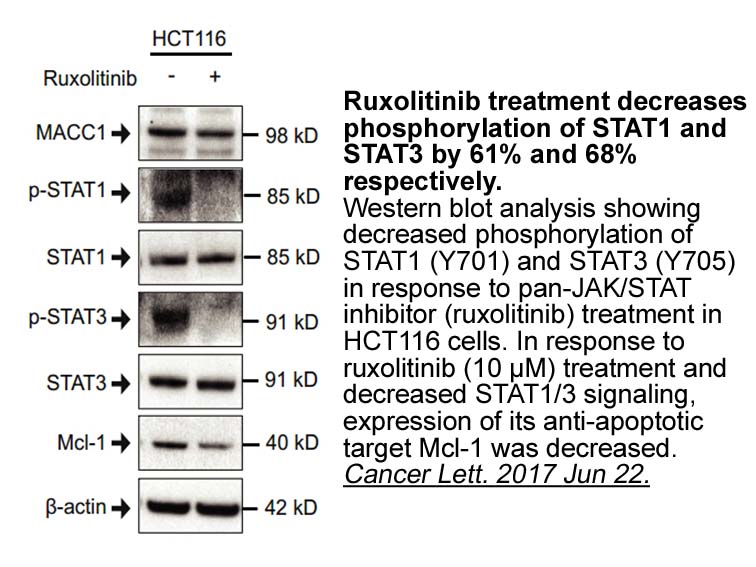
Cyclopamine, a steroidal alkaloid type secondary metabolite from Veratrum californicum Durand (Melanthiaceae), serves as an anti-Hh constituent blocking the activation of Smo [96,100]. According to previous studies, cyclopamine was shown to inhibit the development of human hepatocellular carcinomas
-
The HCV NS A protease consists of two subunits NS
2021-11-25
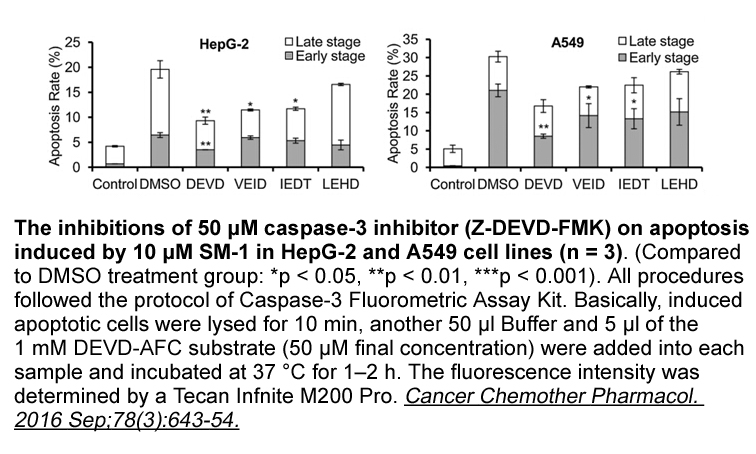
The HCV NS3/4A protease consists of two subunits, NS3 and NS4A. NS3 comprises an N-terminal serine protease domain and a C-terminal RNA helicase domain [12]. NS4A acts as a cofactor, which ties the holoenzyme complex to an intracellular membrane compartment. The presence of the central region of NS4
-
Acknowledgements We appreciated the contributions of Ana Car
2021-11-25
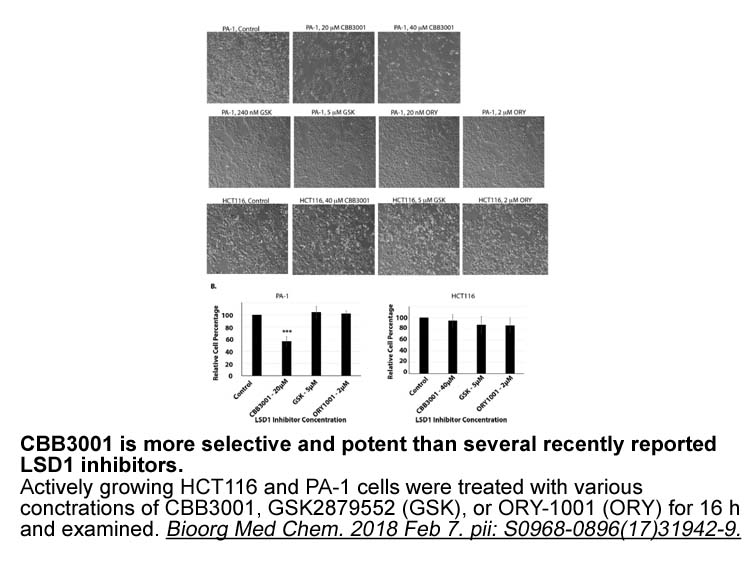
Acknowledgements We appreciated the contributions of Ana Carolina Galha, Selma XSL Pinheiro and Islene Azevedo for technical assistances. In addition, we wish to thank Adilson José de Almeida (in memoriam), Moyra M Portilho, Vanessa A Marques and Letícia P Scalioni, for data analysis during the set
-
While phosphorylation site motifs are
2021-11-25
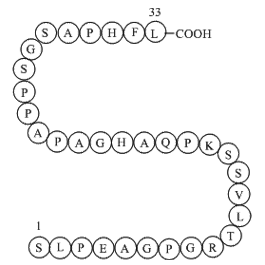
While flavopiridol site motifs are typically described in terms of residues that promote phosphorylation, negatively selected residues can also be an important component of substrate recognition. Such ‘forbidden’ resides can act as a filter to prevent phosphorylation of a site by the ‘wrong’ kinase
-
br Introduction Coat colors are
2021-11-25
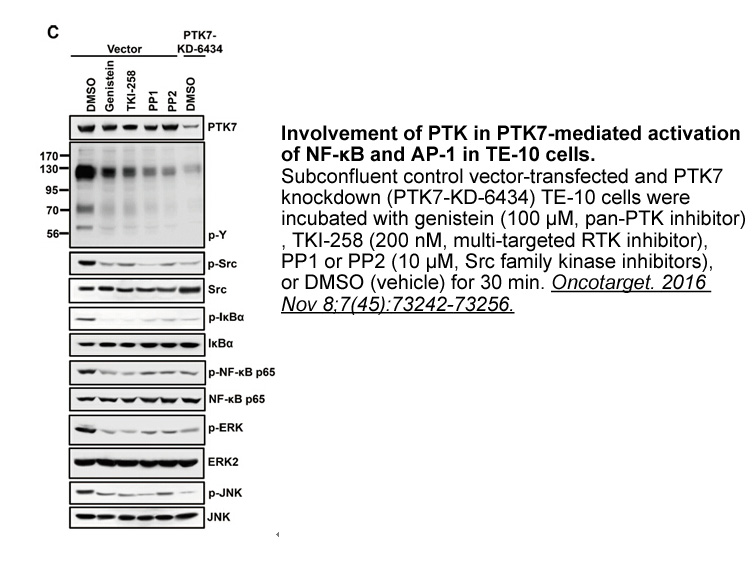
Introduction Coat colors are determined by both genetics and environment, especially genetics. The phenotype of coat color of animals depends on two types of melanin, black to brown eumelanin and yellow to reddish brown pheomelanin produced in mammalian melanocyte (Ito et al., 2000; Ito and Wakam
16143 records 539/1077 page Previous Next First page 上5页 536537538539540 下5页 Last page